

Introduction
At first glance, a handloom saree and a powerloom saree may appear remarkably similar. Both can feature beautiful designs, vibrant colors, and intricate patterns. However, beneath the surface lies a significant difference—one that impacts quality, craftsmanship, durability, heritage value, and even the livelihoods of thousands of artisan families across India.
As the popularity of traditional Indian sarees continues to grow, consumers are increasingly seeking authentic handloom sarees that reflect India's rich textile heritage. Yet many buyers unknowingly purchase powerloom products believing they are handwoven.
Understanding the difference between handloom and powerloom sarees is essential for making informed purchasing decisions, especially when investing in premium textiles such as Gadwal Silk Sarees, Kanchipuram Silk Sarees, and other heritage weaves.
In this guide, we'll explore the key differences between handloom and powerloom sarees, helping you appreciate the craftsmanship behind authentic Indian handwoven textiles.
What Is a Handloom Saree?
A handloom saree is woven manually on a traditional loom operated by skilled artisan weavers. Every thread is carefully interlaced through human effort, experience, and precision.
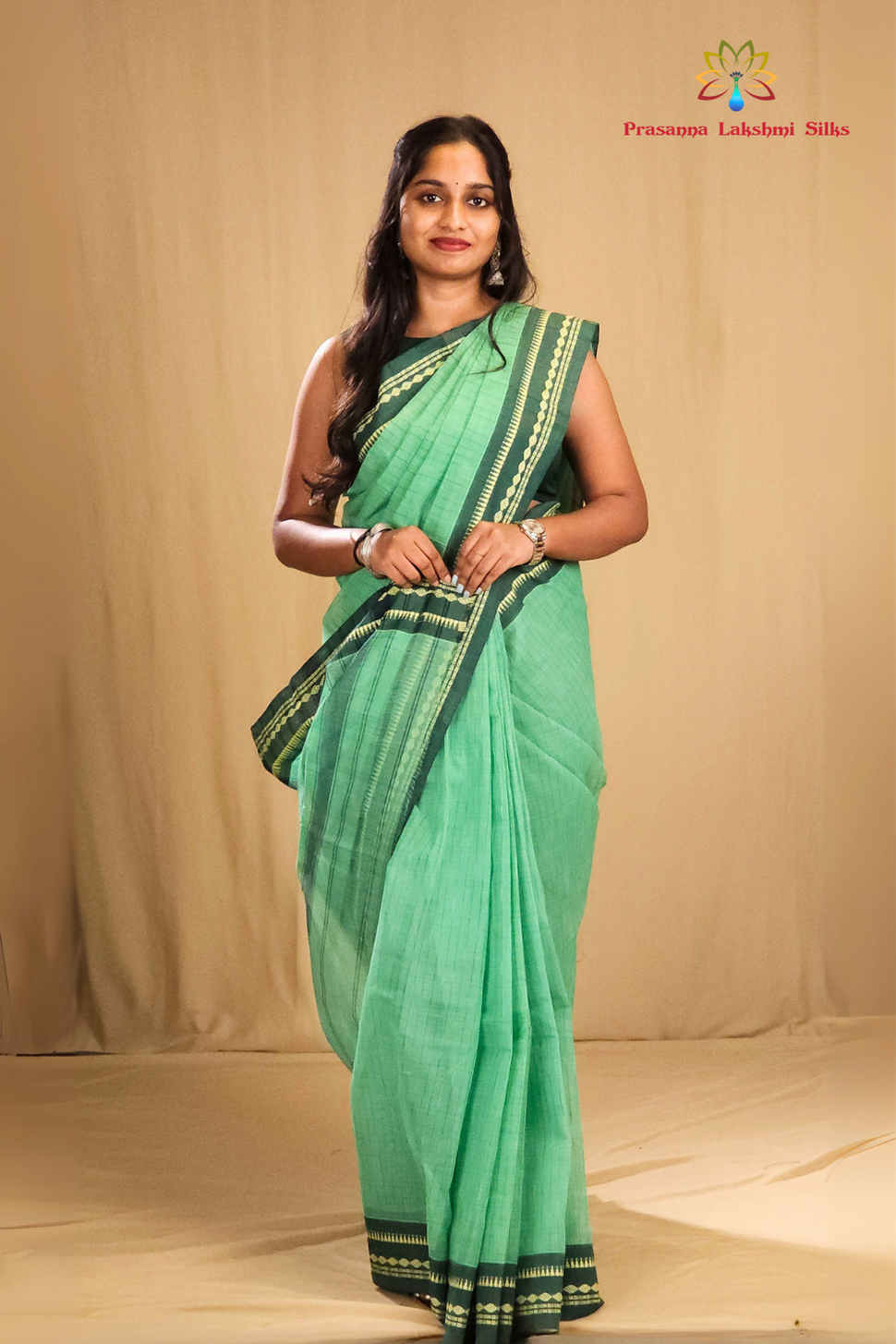
Unlike automated production methods, handloom weaving depends entirely on the artisan's expertise, making each saree unique.
Popular handloom traditions include:
-
Gadwal Silk Sarees (Telangana)
-
Kanchipuram Silk Sarees (Tamil Nadu)
-
Pochampally Ikat Sarees
-
Banarasi Silk Sarees
-
Chanderi Sarees
Authentic handloom sarees are celebrated for their individuality, craftsmanship, and cultural significance.
What Is a Power loom Saree?
A powerloom saree is produced using electrically operated mechanical looms. The weaving process is largely automated, allowing manufacturers to create large quantities of fabric quickly and efficiently.
Powerloom production was introduced to meet growing textile demand and reduce manufacturing costs. While powerloom sarees can mimic traditional designs, they lack the handcrafted character that defines genuine handloom textiles.
Powerloom sarees are generally:
-
Faster to produce
-
More affordable
-
Highly uniform
-
Mass manufactured
Handloom vs Powerloom Sarees: Key Differences
1. Weaving Process
Handloom Sarees
Handloom sarees are woven manually by artisans who control every aspect of the weaving process.
Each movement of the shuttle and every pattern created requires skill, patience, and experience.
Powerloom Sarees
Powerloom sarees are woven using automated machinery driven by electricity.
Machines perform repetitive weaving tasks at significantly higher speeds than human weavers.
Winner: Handloom
When it comes to craftsmanship and artistic value, handloom weaving remains unmatched.
2. Craftsmanship and Uniqueness
One of the most significant differences lies in the individuality of the fabric.
Handloom Sarees
Every handwoven saree carries subtle variations that reflect the artisan's touch.
You may notice:
-
Minor irregularities
-
Slight design variations
-
Unique weaving characteristics
These are signs of authenticity rather than defects.
Powerloom Sarees
Machine production creates near-perfect uniformity.
Every saree appears almost identical to the next.
Winner: Handloom
No machine can replicate the character and uniqueness of handcrafted textiles.
3. Quality of Fabric
The weaving method directly influences fabric quality.
Handloom Sarees
Authentic handloom sarees often offer:
-
Better breathability
-
Softer texture over time
-
Superior drape
-
Enhanced comfort
The slower weaving process allows fibers to retain their natural qualities.
Powerloom Sarees
Machine-made fabrics may feel stiffer and less breathable depending on the materials used.
Winner: Handloom
Handwoven fabrics generally provide greater comfort and longevity.
4. Durability and Longevity
A well-maintained handloom saree can become a family heirloom.
Handloom Sarees
Premium handloom silk sarees often last for decades when cared for properly.
Many are passed down through generations.
Powerloom Sarees
Durability varies depending on fabric quality and manufacturing standards.
Winner: Handloom
Traditional weaving techniques often produce stronger and more enduring textiles.
5. Design Complexity
Handloom Sarees
Master weavers create intricate motifs, heritage patterns, and detailed zari craftsmanship that require immense skill.
Examples include:
-
Temple motifs
-
Traditional borders
-
Heritage-inspired designs
-
Intricate pallu work
Powerloom Sarees
Machines can replicate many designs but often struggle to achieve the depth and artistry of handcrafted weaving.
Winner: Handloom
Complex traditional artistry is best expressed through hand weaving.
6. Sustainability and Ethical Fashion
Today's conscious consumers increasingly value sustainable fashion choices.
Handloom Sarees
Handloom weaving:
-
Consumes minimal electricity
-
Generates lower carbon emissions
-
Supports artisan livelihoods
-
Preserves cultural traditions
Powerloom Sarees
Industrial production typically requires higher energy consumption and large-scale manufacturing infrastructure.
Winner: Handloom
Handloom sarees align more closely with sustainable and ethical fashion principles.
7. Price Comparison
Handloom Sarees
Handloom sarees generally cost more because they involve:
-
Skilled labor
-
Longer production times
-
Premium craftsmanship
-
Heritage techniques
Powerloom Sarees
Automation significantly reduces production costs.
As a result, powerloom sarees are usually more affordable.
Winner: Depends on Your Goal
If affordability is your primary concern, powerloom may be suitable.
If you value craftsmanship, authenticity, and long-term investment, handloom is the better choice.
How to Identify a Handloom Saree from a Power loom Saree

Look for Natural Irregularities
Handloom sarees often contain subtle variations that reveal human craftsmanship.
Examine the Reverse Side
Authentic handloom weaving typically displays detailed craftsmanship on the reverse.
Check the Texture
Handwoven fabrics often feel richer, softer, and more organic.
Ask About the Origin
Trusted sellers can explain:
-
Where the saree was woven
-
Which weaving cluster produced it
-
The weaving technique used
Verify Certifications
Whenever applicable, look for Handloom Mark and Silk Mark certifications.
Why Handloom Sarees Command Higher Value
Many buyers initially focus on price, but the true value of a handloom saree extends far beyond cost.
When you invest in an authentic handloom saree, you are investing in:
-
Generations of weaving expertise
-
Cultural heritage
-
Artisan livelihoods
-
Sustainable production
-
Timeless craftsmanship
Each saree represents hours—or even weeks—of dedicated work by skilled artisans.
Gadwal and Kanchipuram: Two Icons of Indian Handloom Heritage
Gadwal Silk Sarees
Originating from Telangana, Gadwal sarees are renowned for their lightweight elegance and intricate craftsmanship.
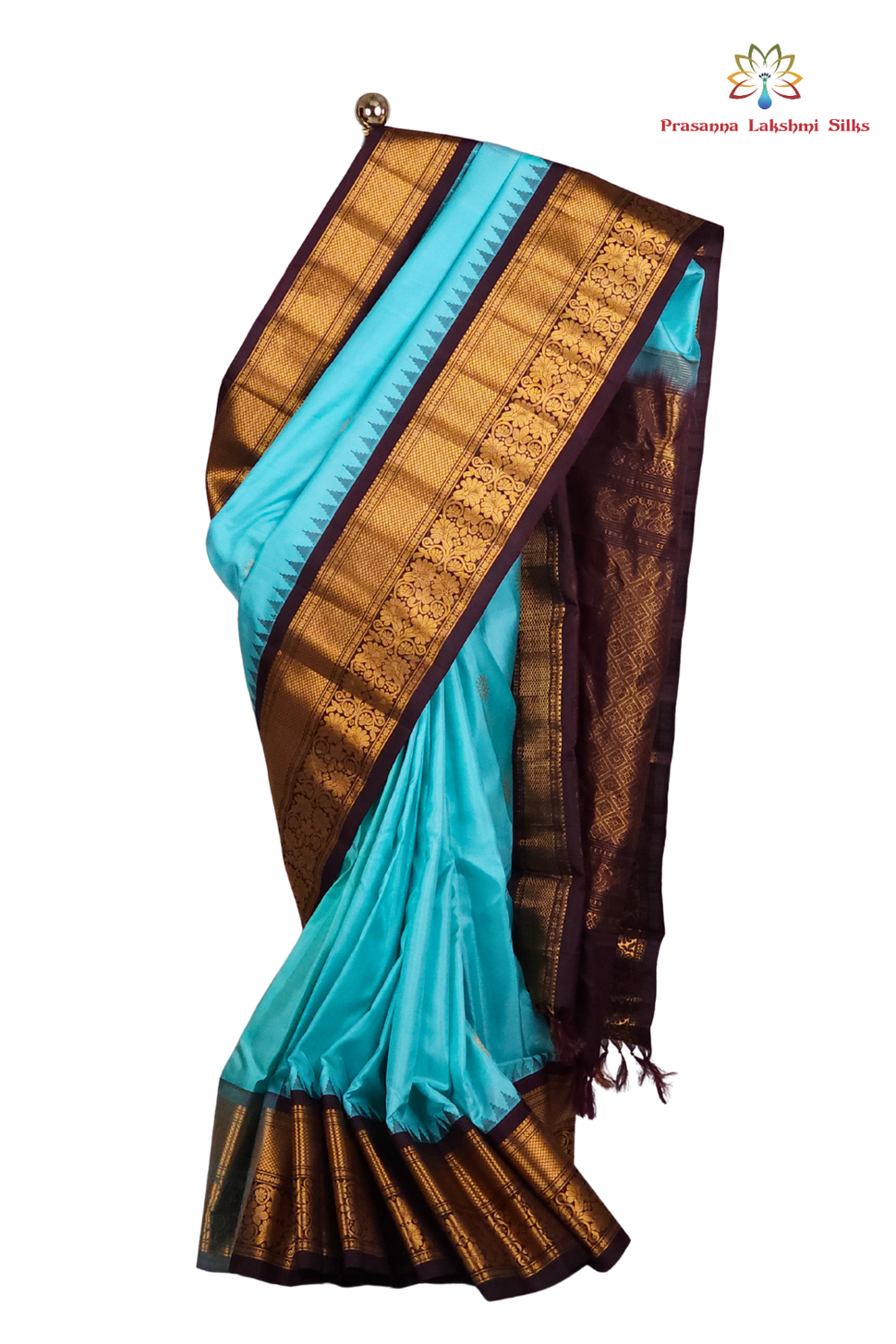
Authentic Gadwal Pure Silk Sarees feature pure silk in the body, borders, and pallu.
Traditional Gadwal Silk Cotton Sarees combine a cotton body with silk borders and pallu, offering exceptional comfort and sophistication.
Kanchipuram Silk Sarees
Woven in Tamil Nadu, Kanchipuram Silk Sarees are celebrated for their rich silk, temple-inspired motifs, and luxurious zari work.
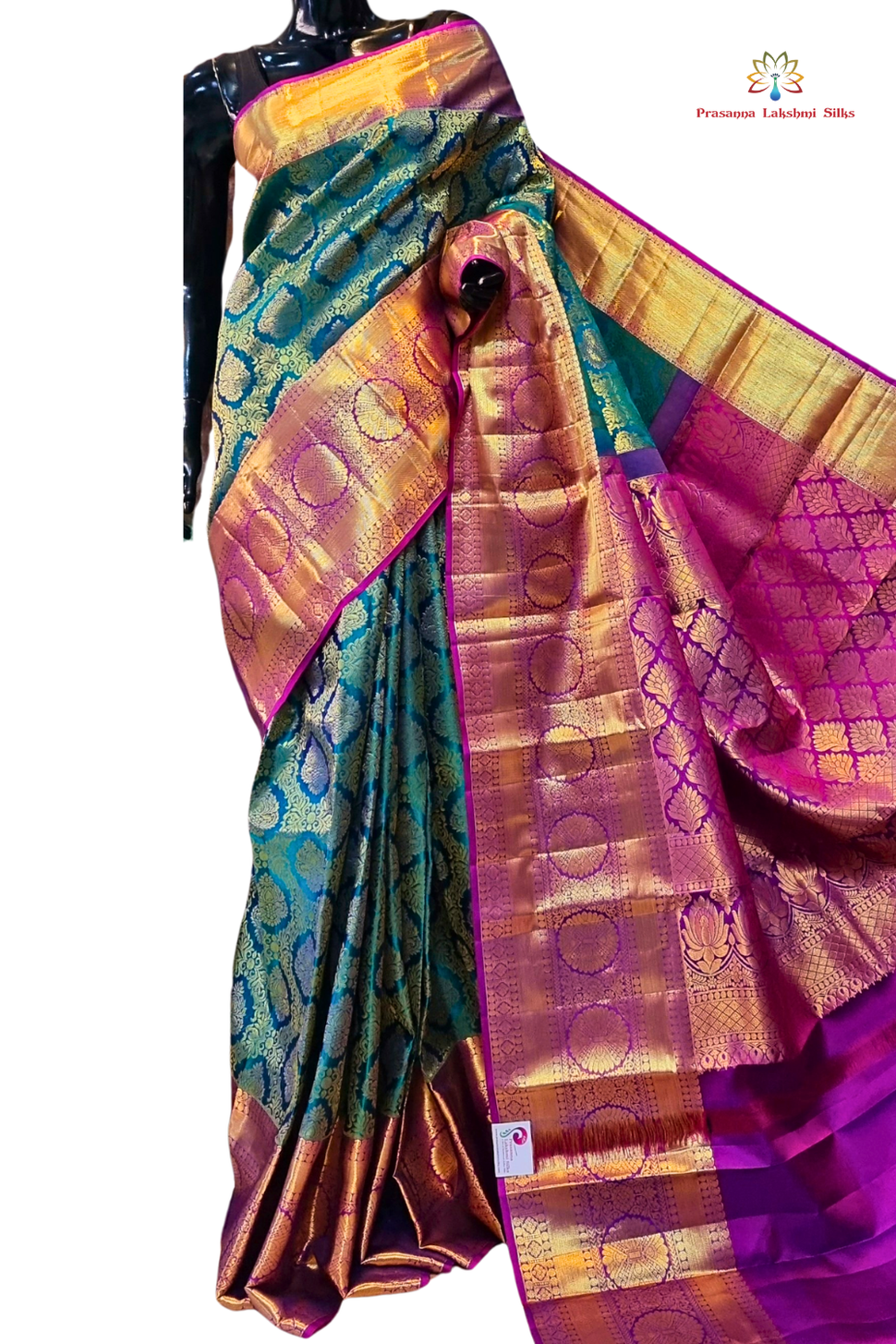
These sarees remain among India's most sought-after bridal silk sarees.
Why Choose Prasanna Lakshmi Silks?
At Prasanna Lakshmi Silks, we believe every saree should honor the artistry and heritage behind its creation.
Our carefully curated collections showcase:
-
Authentic Handloom Sarees
-
Gadwal Silk Sarees
-
Kanchipuram Silk Sarees
-
Heritage Weaves
-
South Indian Silk Sarees
We work with skilled artisan communities to preserve India's extraordinary textile traditions while bringing timeless elegance to modern wardrobes.
Whether you're seeking bridal silk sarees, festive collections, or heirloom-quality handwoven textiles, authenticity remains at the heart of everything we offer.
Conclusion
The difference between handloom and powerloom sarees goes far beyond how they are made.
Handloom sarees embody heritage, craftsmanship, sustainability, and individuality. Powerloom sarees provide affordability and mass accessibility but cannot replicate the artistry and cultural value of handwoven textiles.
For those who appreciate authentic Indian craftsmanship, investing in a genuine handloom saree means owning a piece of India's living heritage—one woven with skill, tradition, and timeless beauty.
Frequently Asked Questions
What is the main difference between handloom and powerloom sarees?
Handloom sarees are woven manually by artisans, while powerloom sarees are produced using electrically operated machines.
Are handloom sarees better than powerloom sarees?
Handloom sarees generally offer superior craftsmanship, uniqueness, cultural value, and sustainability.
Why are handloom sarees more expensive?
The higher cost reflects artisan labor, traditional weaving techniques, production time, and superior craftsmanship.
How can I identify an authentic handloom saree?
Look for natural irregularities, handcrafted detailing, authentic texture, and certifications such as Handloom Mark or Silk Mark where applicable.
Are Gadwal Sarees handloom sarees?
Authentic Gadwal Sarees are traditionally handwoven and represent one of India's most respected weaving traditions.
Are Kanchipuram Silk Sarees handloom products?
Traditional Kanchipuram Silk Sarees are handwoven by skilled artisans in Tamil Nadu.
Which saree is better for weddings?
Gadwal Silk Sarees and Kanchipuram Silk Sarees are among the most popular choices for weddings and special occasions.
Where can I buy authentic handloom sarees online?
Trusted heritage brands like Prasanna Lakshmi Silks offer authentic handloom sarees sourced from skilled artisan communities.
